
Personnel Tracking System for Real-Time Tracking & Emergency Mustering
IoTPersonnelTracker is a comprehensive, IoT-driven Real-Time Location System (RTLS) designed to bridge the gap between routine productivity and emergency response.
Personnel Tracking System for Real-Time Visibility
In an era where industrial and natural disasters are increasingly complex, relying on paper logs and manual headcounts is no longer just “old-fashioned”—it is a critical safety failure. IoTPersonnelTracker provides a high-velocity, automated personnel mustering solution that ensures no one is left behind.
Manual check-ins and clipboard-based roll calls are the “bottlenecks of safety.” In large facilities, these methods result in:
Inaccuracies: Human error leads to “ghost” personnel or missing names.
Delays: Critical minutes are lost while 1st Responders wait for a manual count.
Chaos: Without real-time data, rescue teams don’t know if they should be searching a burning building or if the worker simply went home early.
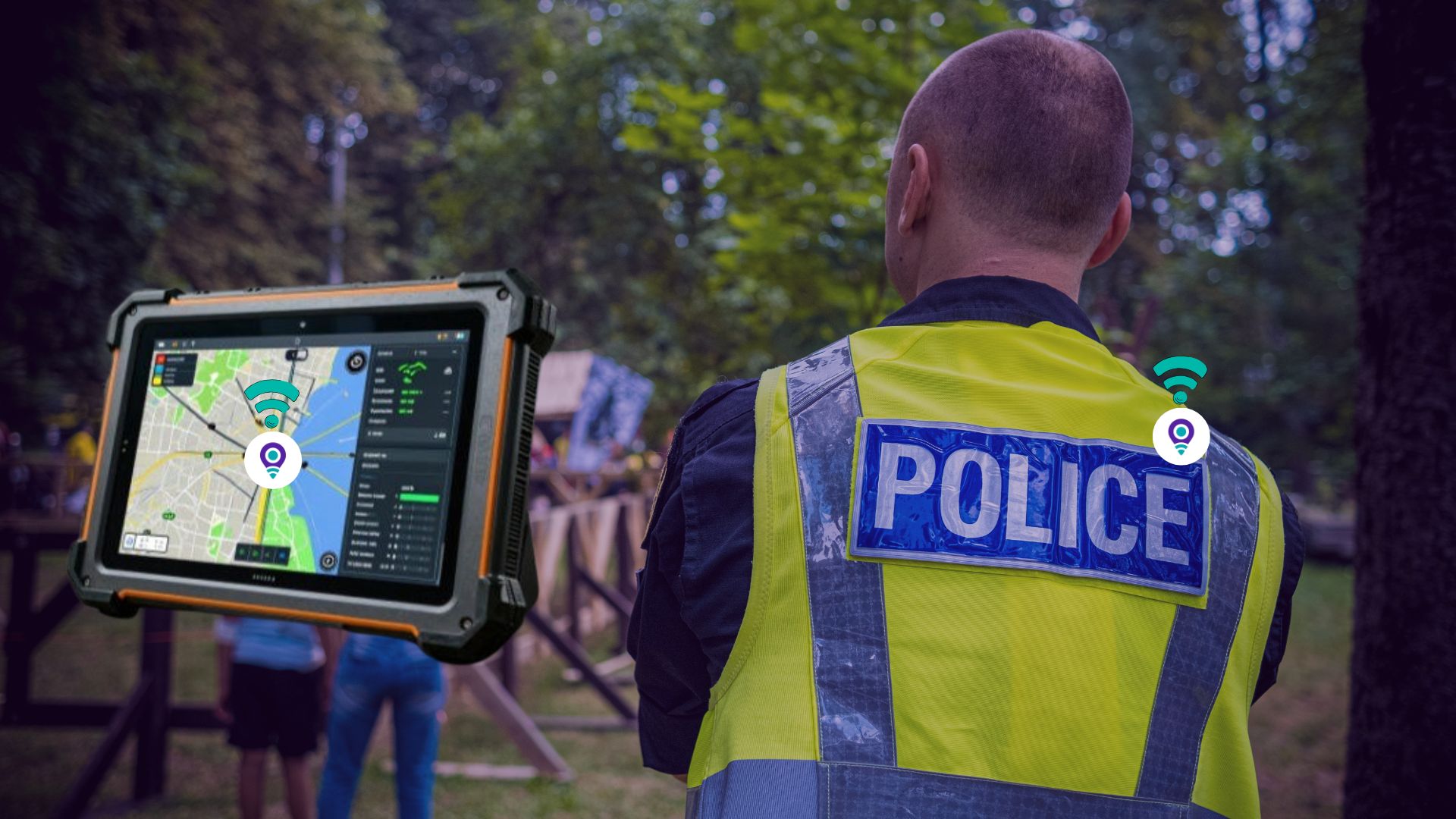
Our Approach with IoTPersonnelTracker Software
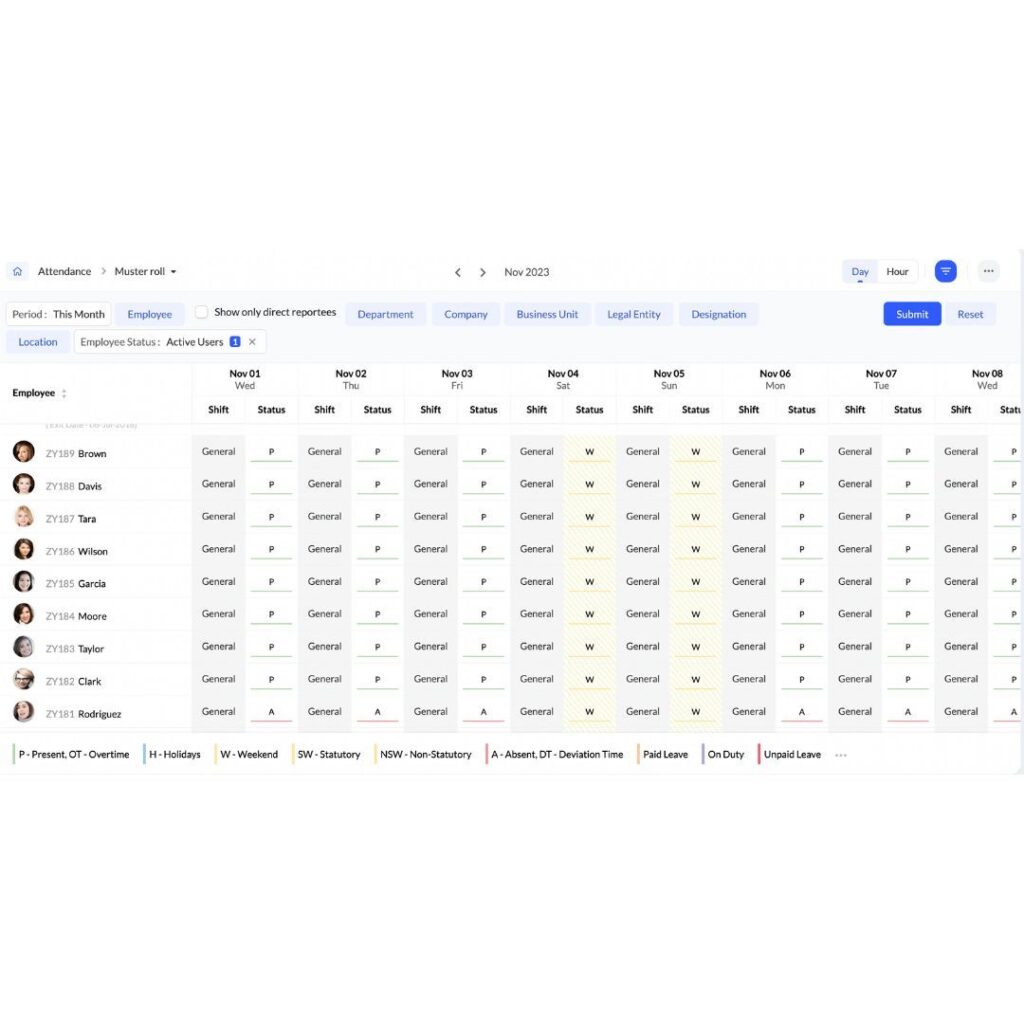
Instant Muster Reports: From Minutes to Seconds
In a manual evacuation, a “Muster Captain” usually waits at a designated spot with a clipboard, hoping everyone remembers where to go. This process is prone to panic and human error.
The “Digital Roll Call”: As soon as an emergency is triggered, the software compares the “On-Site” list (who was in the building at the time of the alarm) against the “Muster Zone” list (who has arrived at the safe point).
Real-Time Reconciliation: The system automatically marks personnel as “Safe” the moment their RFID tag or mobile device is detected at a muster point.
The “Gap” List: Instead of a list of 500 names to check, safety officers are instantly handed a list of only the 5 or 10 people who are unaccounted for. This allows management to focus 100% of their energy on the people actually in danger.
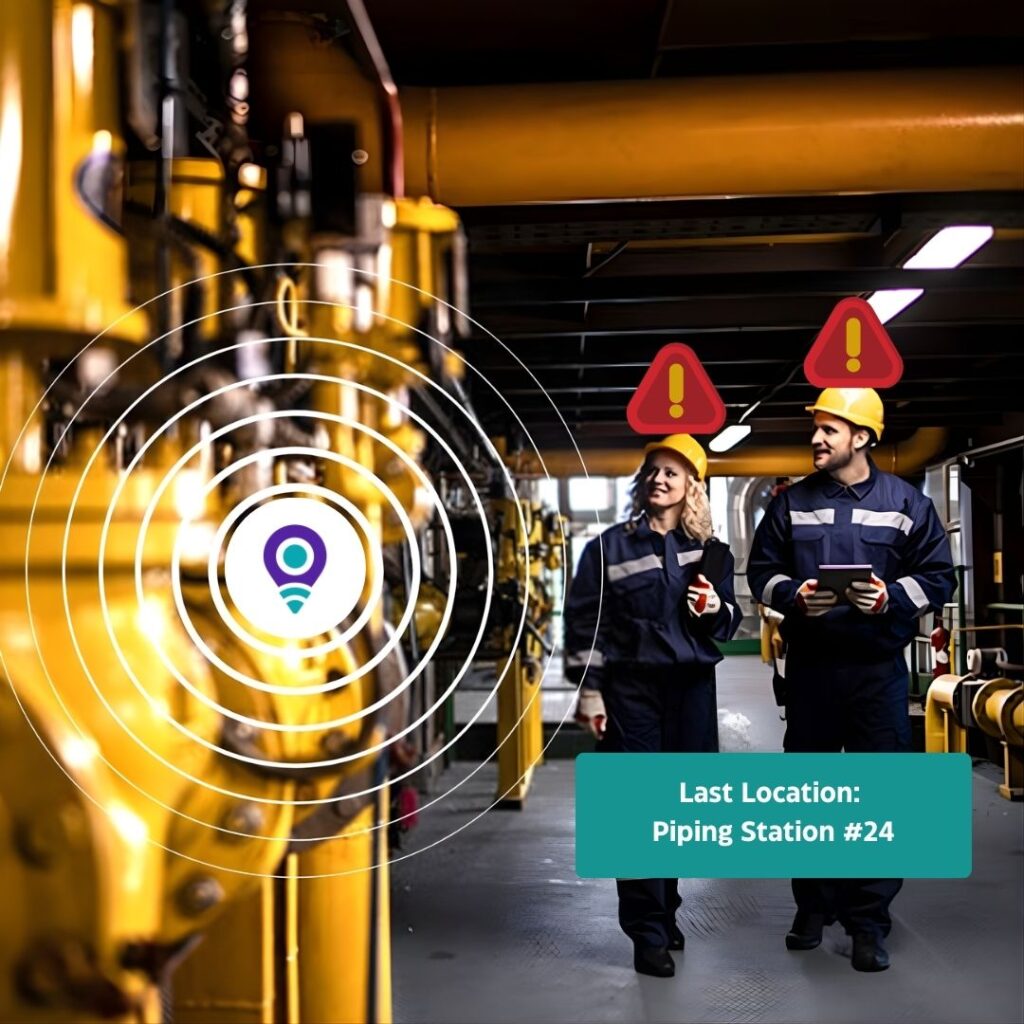
Last Known Location: Precision Search & Rescue
The most dangerous part of any fire department’s job is “searching to see if anyone is inside.” If they don’t know who is missing or where they were, they have to sweep the entire building—a slow process that puts rescuers at extreme risk.
Breadcrumb Tracking: Our system creates a continuous audit trail. If Employee #507 hasn’t reached the muster point, the software identifies exactly where they were last seen (e.g., “Factory Area #5, North Stairwell, 42 seconds ago”).
Guided Rescue: This data is shared directly with First Responders via tablets. Instead of a blind search, they perform a targeted extraction, heading straight to the last known coordinates.
Reducing “Rescuer Exposure”: By knowing the building is empty (or exactly where the survivors are), fire chiefs can make better decisions about whether to send crews into a high-risk structural collapse.
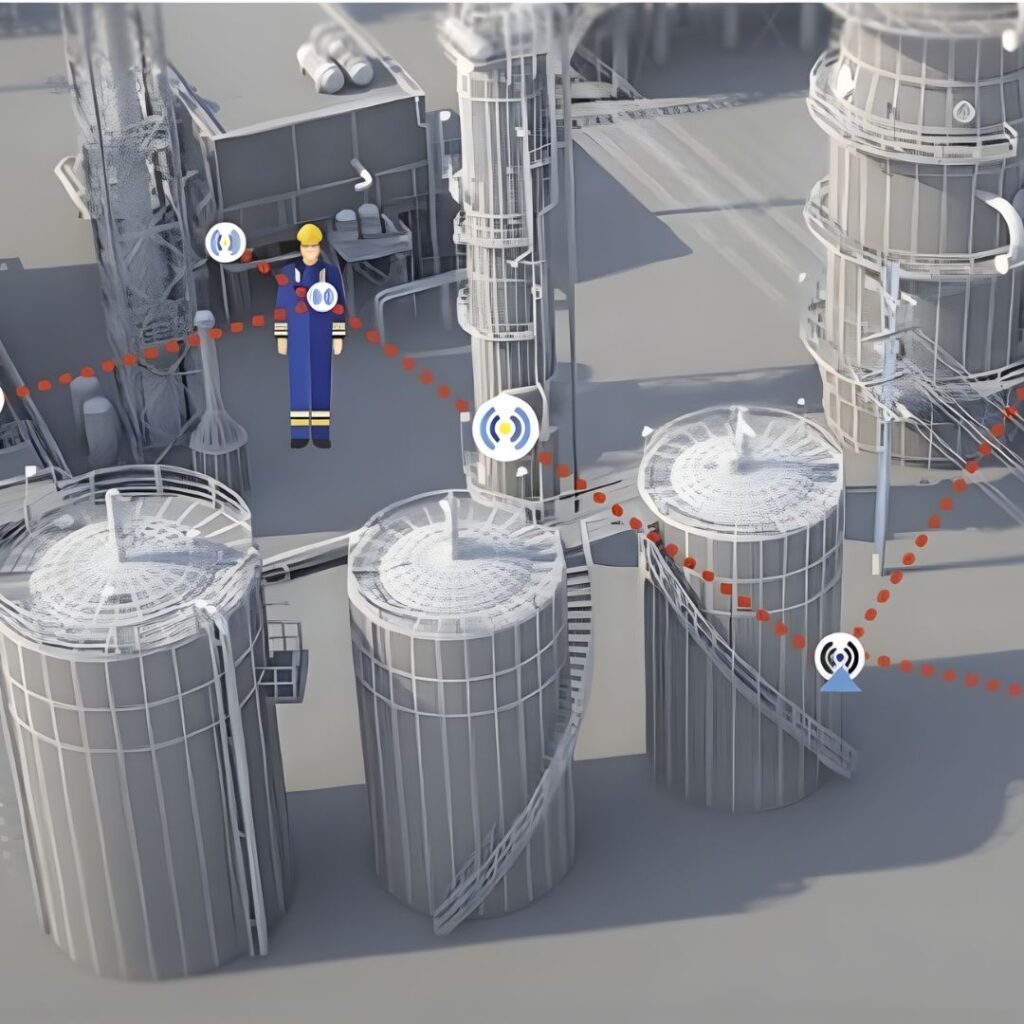
Site Wide Accountability: Eliminating "Choke-Point"
In large facilities, people don’t always exit through the “right” door during a panic. Manual systems fail when employees evacuate through a side exit and end up at the wrong muster station.
Zone-to-Zone Awareness: Because our sensors (RFID, BLE, and Long-Range) cover the entire perimeter, it doesn’t matter which exit a worker uses. If they leave the building and enter a “Safe Zone” anywhere on the property, the system finds them.
Automated Detection: Unlike barcode scanners that require a worker to stop and “swipe” (which no one does in a fire), our passive RFID technology detects workers as they run past a gate or antenna.
Vehicle & Visitor Integration: Disaster response isn’t just about employees. The system accounts for visitors, contractors, and even vehicles at the gate, ensuring that the “Mustered” list includes every single soul that was on the property when the alarm sounded.
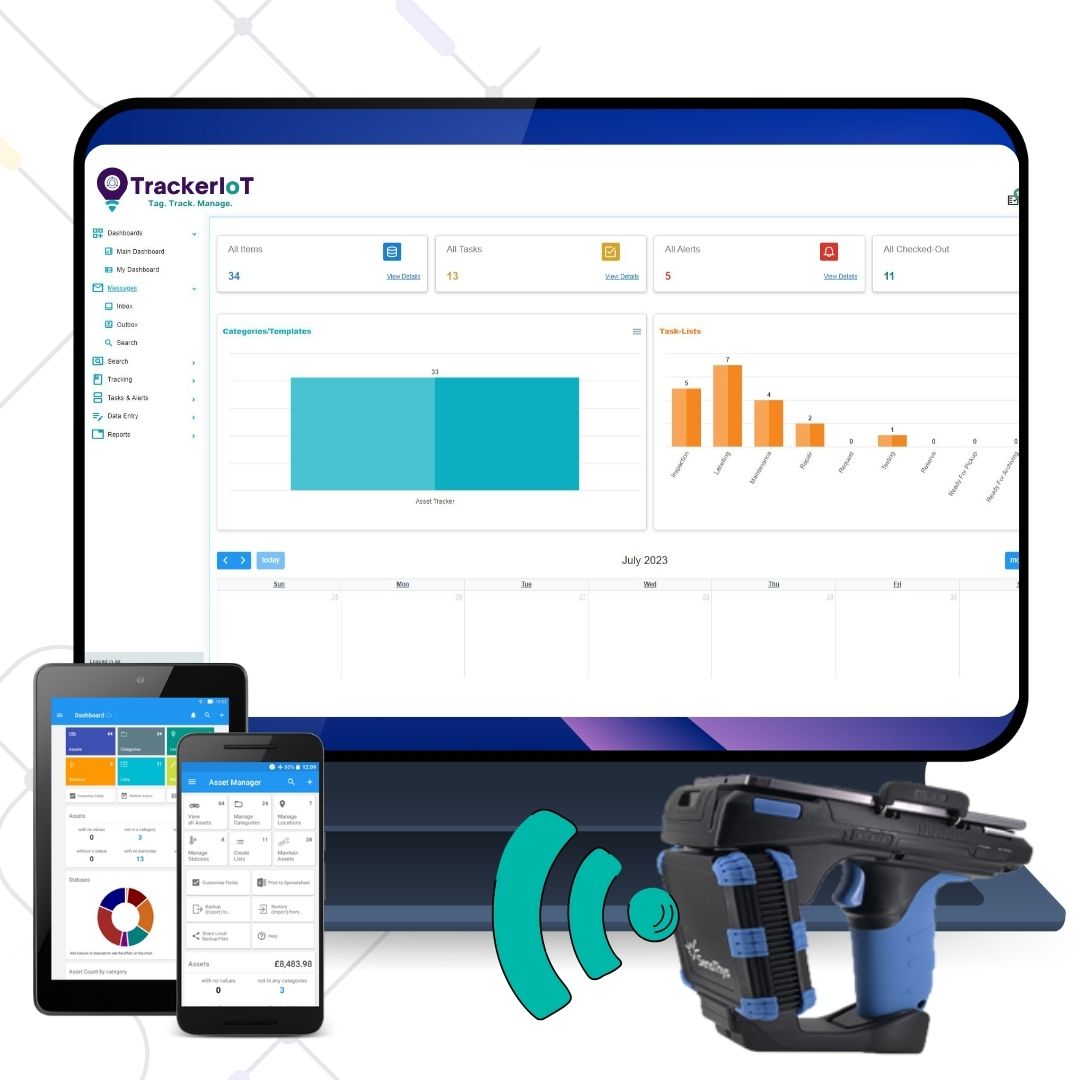

Fully Developed Configurable Software with database records for personnel, visitors, vendors and vehicles
Personnel Tracking Software
In a disaster, the first thing to fail is often the local power or the on-site server.
Hybrid Hosting: The system can be deployed on a local server for high-speed daily operations, while simultaneously syncing to a secure Cloud/Web Server.
Mobile-First Response: If the main office is evacuated, safety officers can pull up the “Missing Persons” list on any 5G-enabled tablet or smartphone. The data follows the user, ensuring the “Command Center” is wherever the safety officer stands.
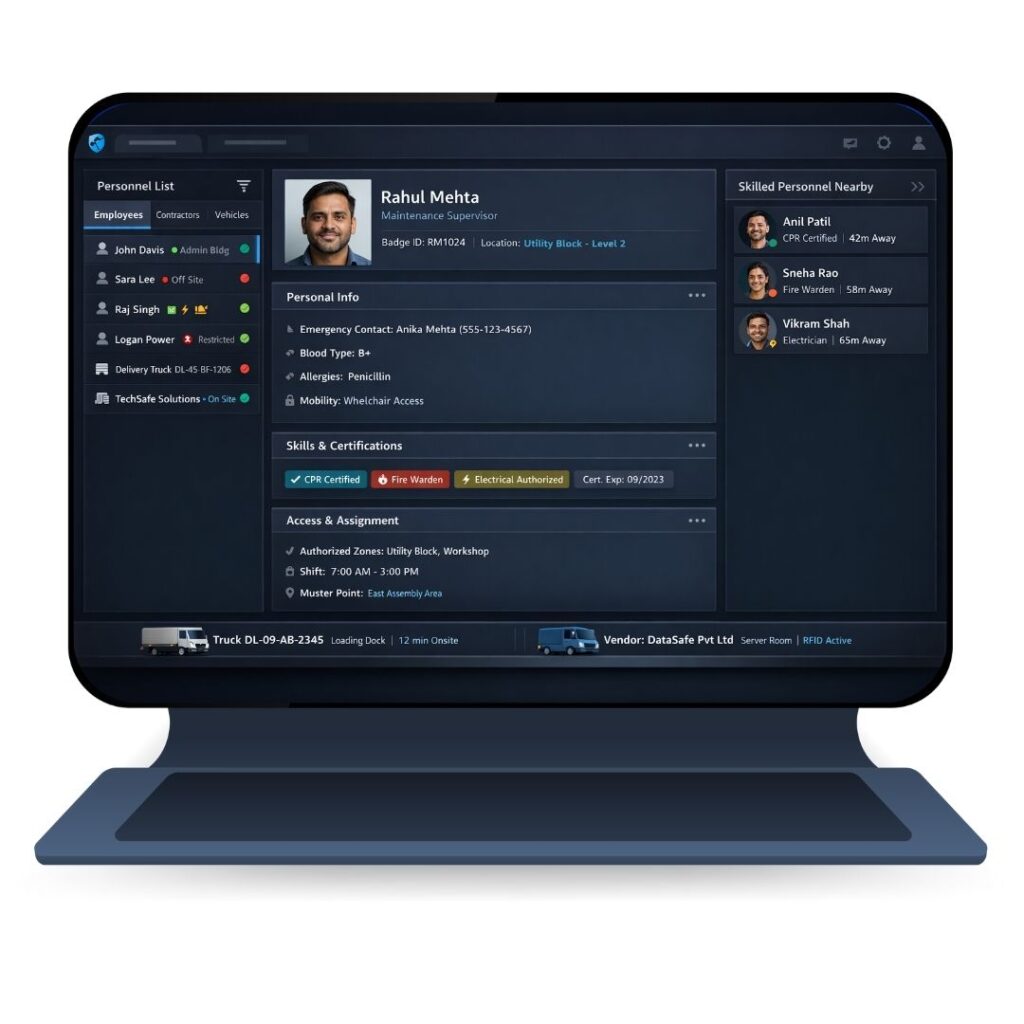
Configurable Database: Beyond Simple Names
We treat every “Personnel Record” as a rich data profile.
Unlimited Fields: Add custom categories such as “Emergency Contact,” “Allergies,” or “Special Mobility Needs.”
Skill Tracking: Tag personnel with certifications like CPR, Fire Warden, or Electrician. During an incident, the software can quickly filter and locate the nearest person with the skills needed to handle the crisis.
Vehicle & Vendor Sync: The database manages not just staff, but the delivery truck at the loading dock and the contractor in the server room, ensuring total site accountability.
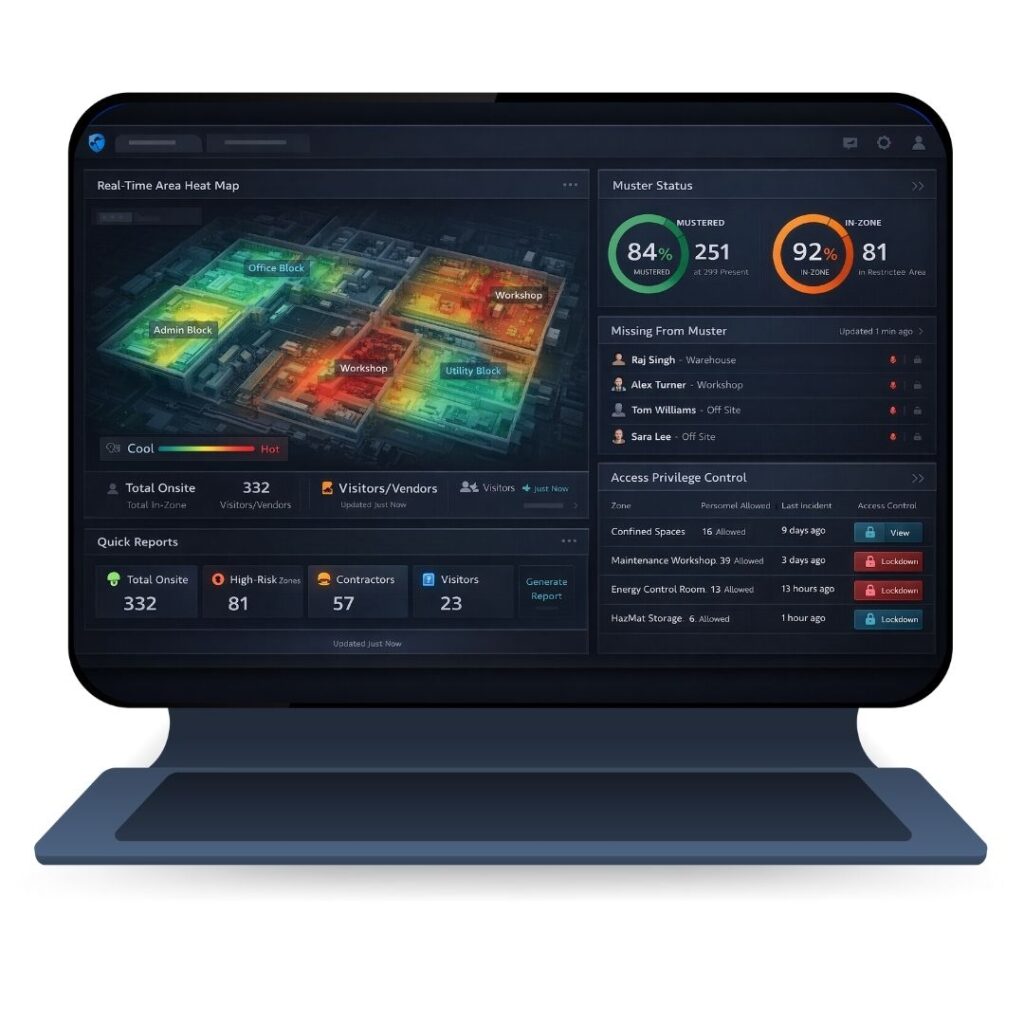
Command Center Dashboard: Visual Intelligence
Data is useless if it’s hard to read. Our dashboard uses High-Visibility Analytics:
Heat Maps: See which areas of the factory are overcrowded or under-utilized in real-time.
Status Gauges: Instant visual charts showing the percentage of personnel currently “Mustered” vs. “In-Zone.”
Access Privilege Control: A single interface to manage who has permission to enter “High-Risk” areas, with instant revocation capabilities.
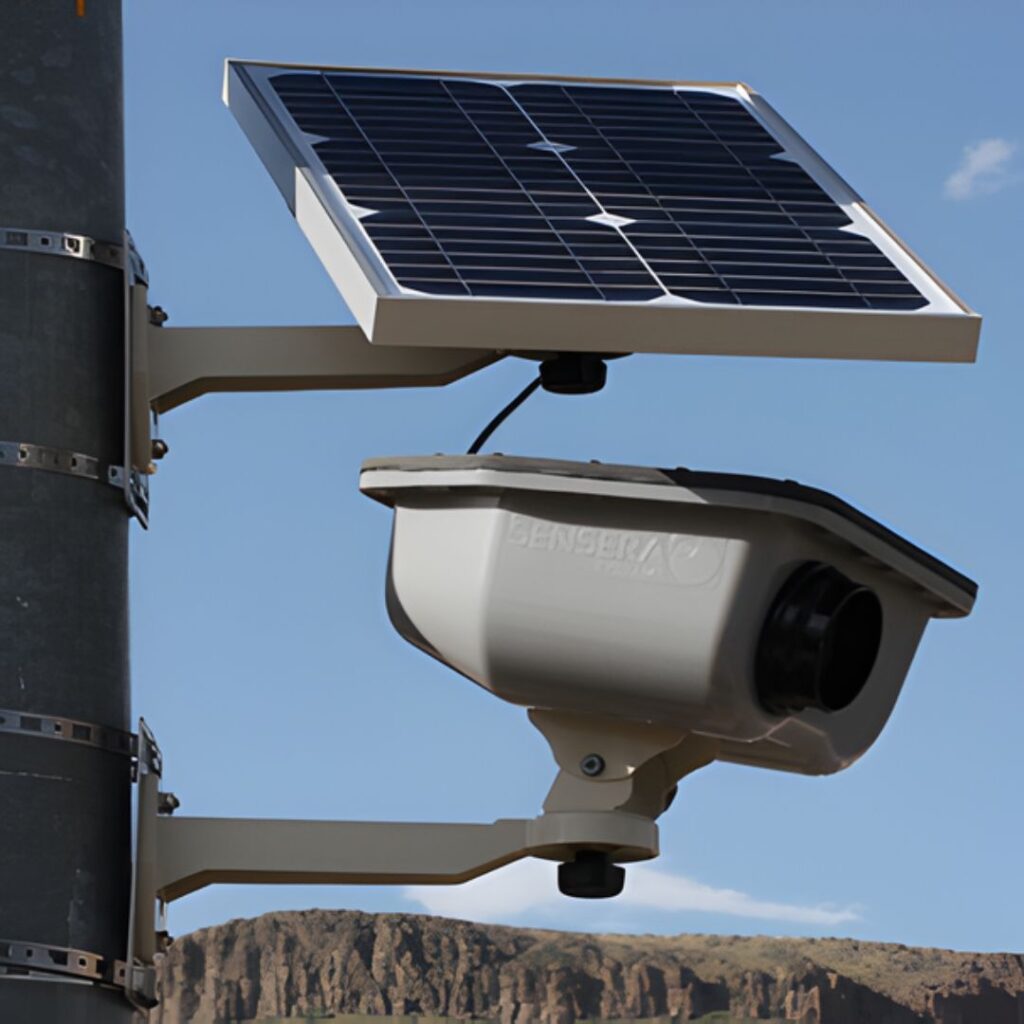
Seamless Integration: The Unified Security Layer
We bridge the gap between siloed technologies.
CCTV Overlay: When a tracking tag triggers an “Unauthorized Entry” alert, the system can automatically pull the nearest camera feed to the dashboard.
3rd-Party Access Control: We integrate with your existing HID cards, biometric scanners, or PIN pads, allowing you to upgrade your safety without replacing every door lock in the building.
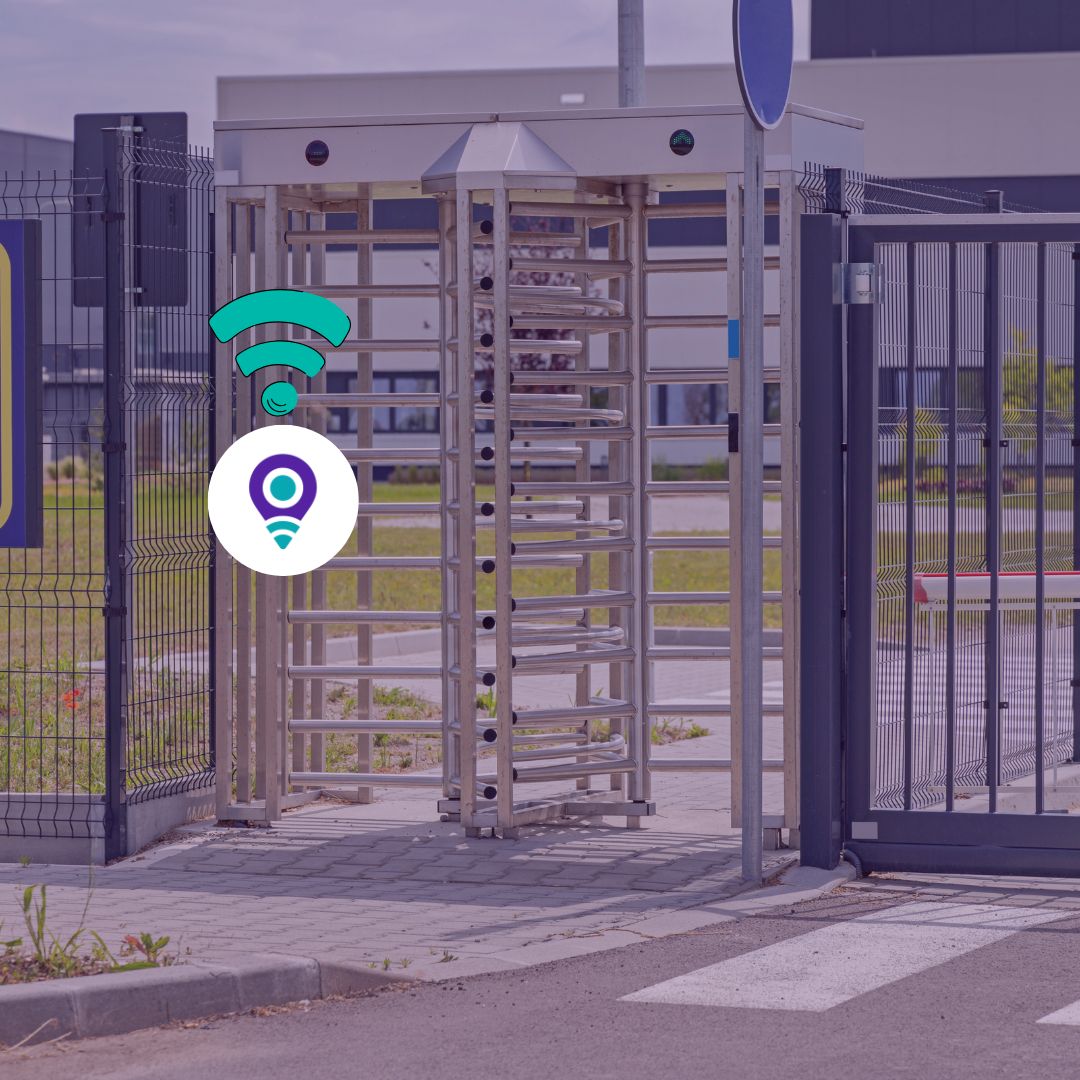

Our hardware infrastructure is built on the principle of “Best-Fit” Engineering.
Real-Time Personnel Tracking System
Personnel Entry & Exit Tracking
The Technology: Long-range RFID readers integrated with physical gate motors.
The Use Case: Vehicle entry/exit points and perimeter fences.
The Benefit: Gates open automatically for authorized “Tagged” vehicles, while the system logs the entry. If a vehicle without a tag approaches, the system flags an “Unknown Vehicle” alert and keeps the gate locked, preventing security breaches before they happen.
Personnel Entry, Exit & Zone Tracking
Your perimeter is the first and last point of data collection. We automate these “choke points” to ensure that site-wide headcounts begin the moment a person arrives.
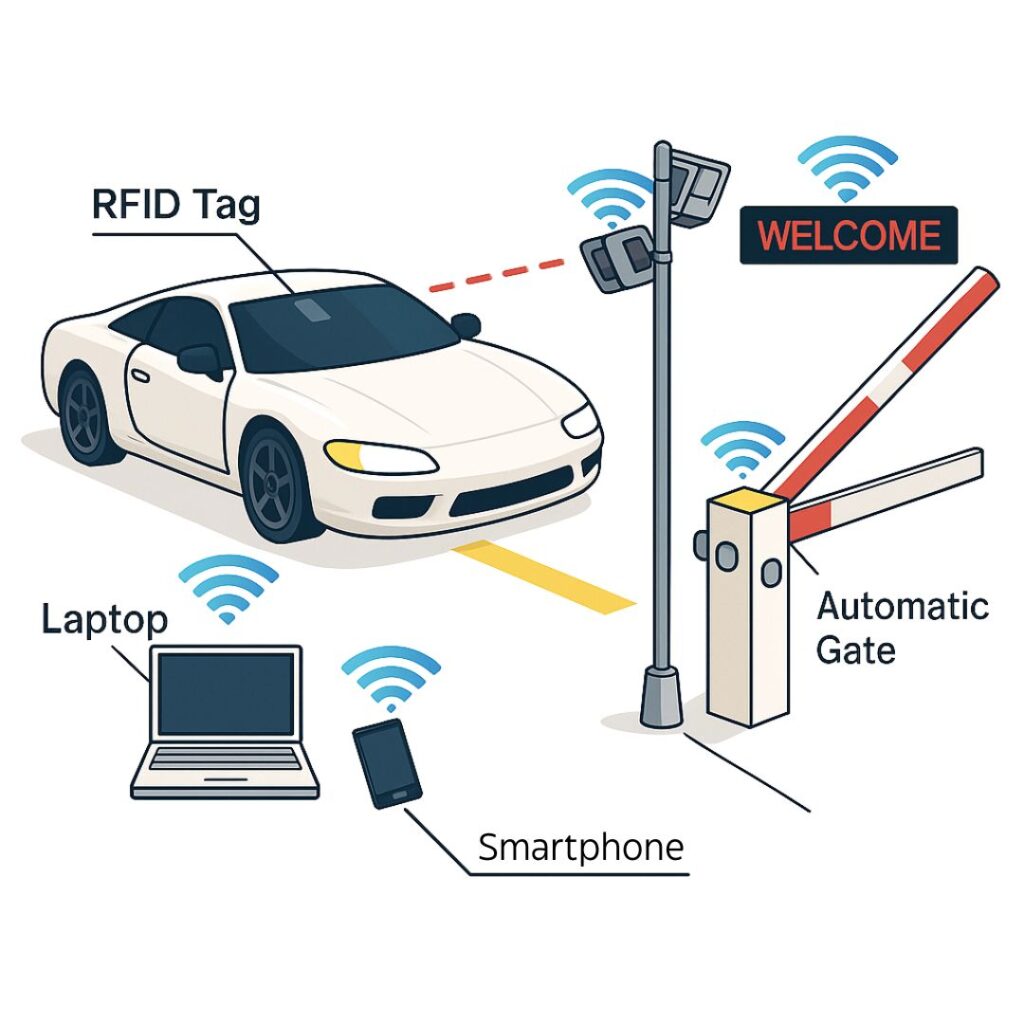
RFID Gates (Vehicle & Personnel)
Directional Logic: Our gates utilize dual-antenna arrays. By sequencing the “read” (Antenna A then Antenna B), the system determines if a vehicle or person is entering or exiting. This prevents the “ghost onsite” error where a person is logged but their departure is missed.
Hands-Free Vehicle Access: High-performance UHF tags attached to windshields allow gates to open for authorized staff without them rolling down a window, maintaining both security and traffic flow.
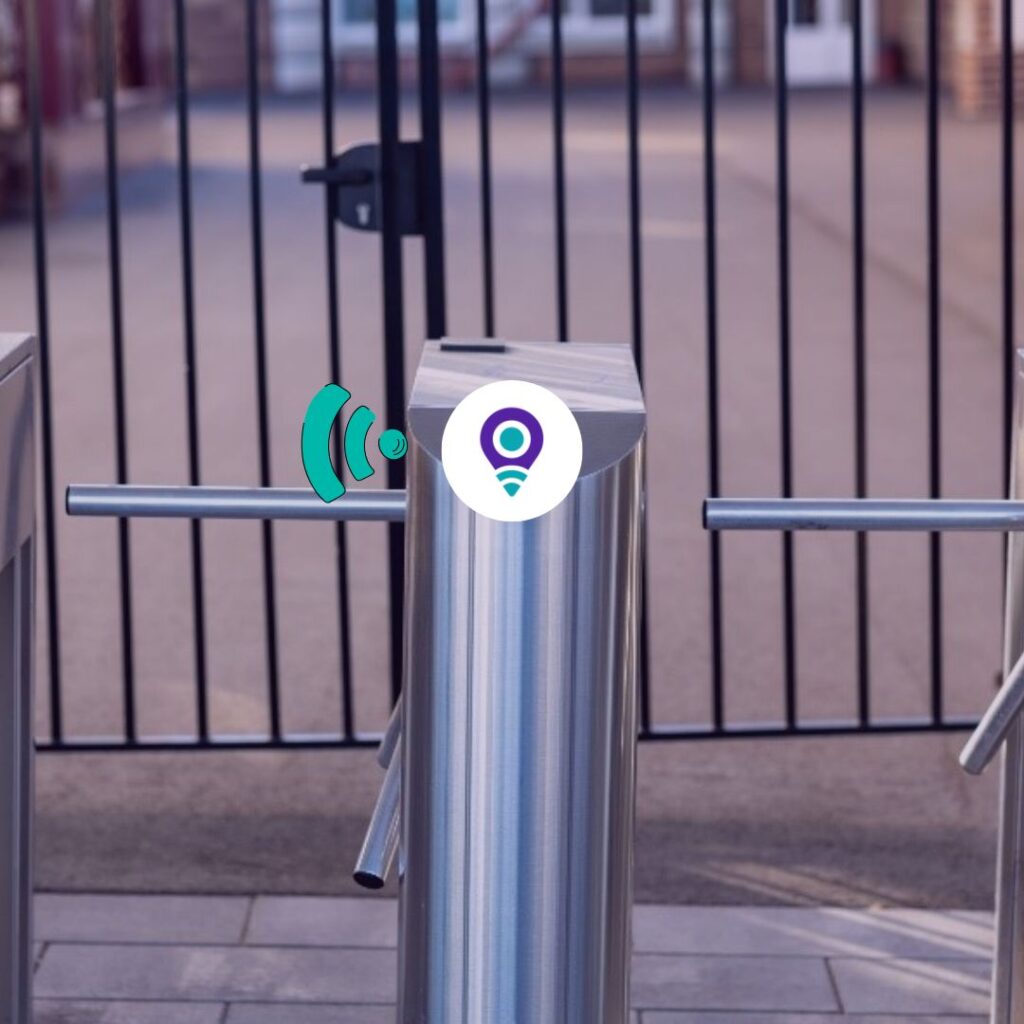
Smart Turnstiles (High-Throughput)
Long-Range Authentication: Unlike traditional “tap-and-go” readers, our smart turnstiles can authenticate UHF RFID badges from 3–6 feet away. This allows employees to walk through at a normal pace, processing up to 45 people per minute.
Anti-Tailgating & Anti-Passback: Built-in infrared sensors ensure that one credential allows only one person through. If a second person attempts to follow without a scan, an alarm triggers and the gate locks.
Real-Time Indoor Personnel Tracking
Inside the building, we replace manual “check-in” stations with passive zones that track movement naturally.
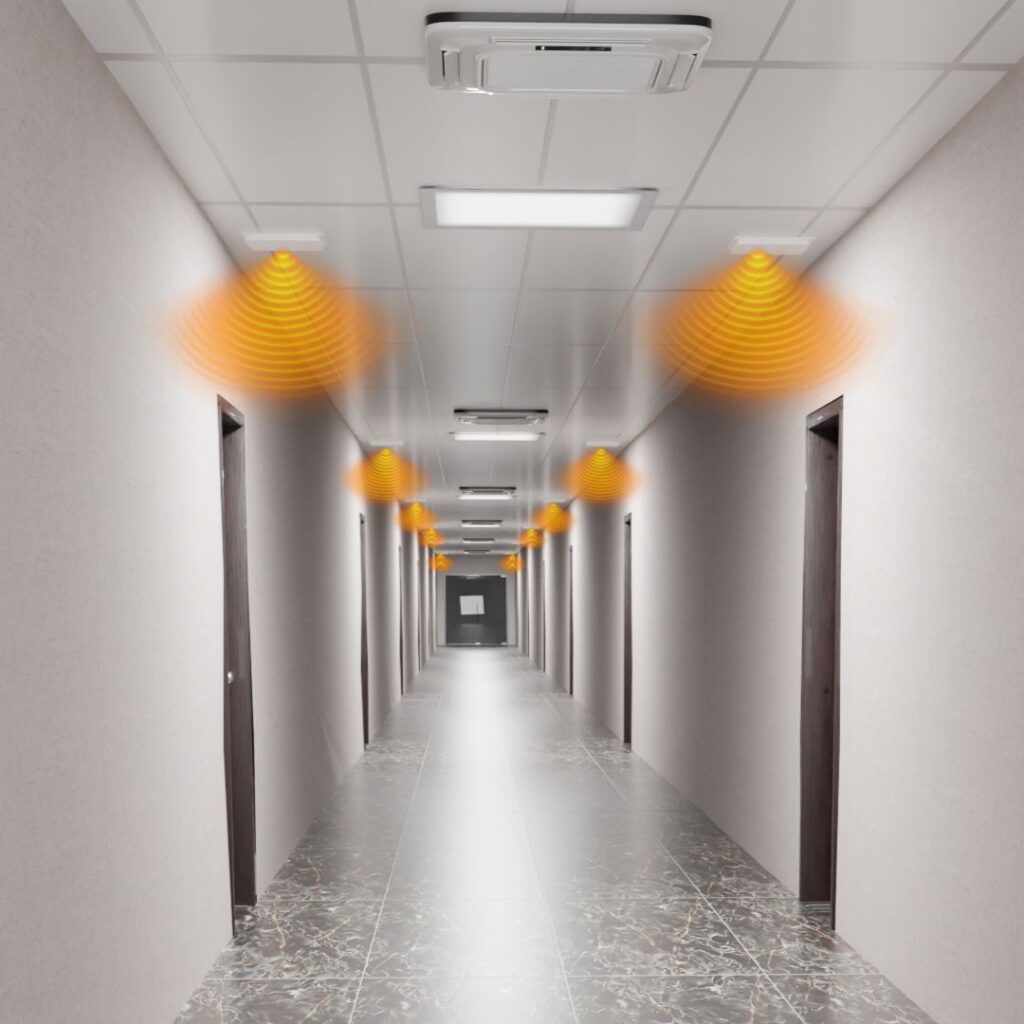
Passive RFID Zones (The "Digital Ceiling")
UHF Networked Antennas: We install discreet antennas at doorways, elevators, and stairwells. These antennas create an “interrogation zone” that harvests energy from the employee’s passive ID badge.
Hands-Free Compliance: Employees are logged as they move between departments (e.g., moving from the “Warehouse” to “Shipping”) without needing to scan anything. This is critical for Group Mustering, where 20 people may rush through a door at once during an alarm.
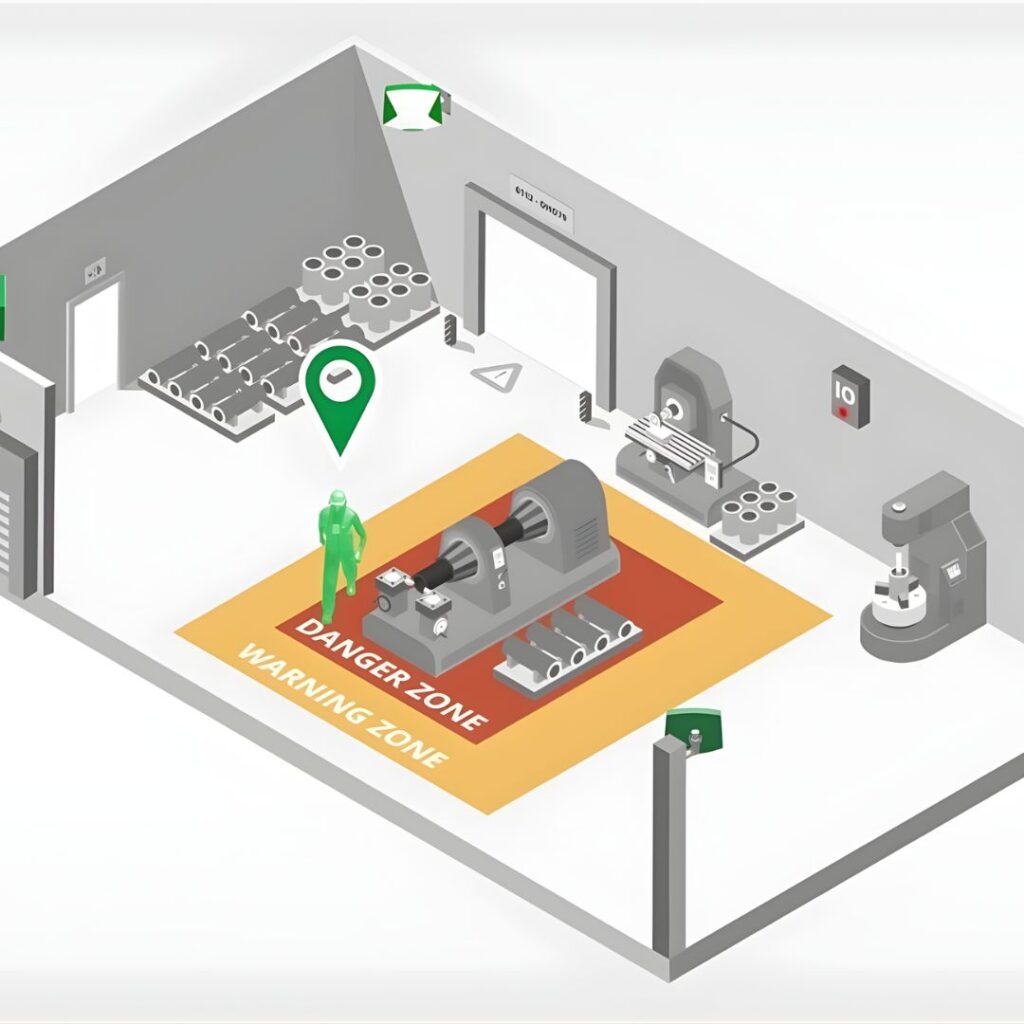
RFID Sensors (Zone Precision)
Localized Pinpointing: For high-risk areas (like chemical storage or server rooms), we use sensors with a tuned radius of up to 40 feet. This provides “Last Seen” data with enough precision to tell rescuers which specific corner of a large room a worker was in.
Long-Range & Outdoor GPS: The Wide-Area Digital Net
For facilities that span miles rather than feet, we utilize active and satellite-based hardware.
Extended Range (Active RFID & LoRaWAN)
The “1,000-Foot” Reach: In mines or refineries, we use Active Tags (battery-powered). These tags “beacon” their location to receivers placed up to 1,000 feet apart, significantly reducing the amount of hardware needed to cover massive outdoor yards.
ATEX/Intrinsically Safe: Our outdoor hardware is available in explosion-proof housing for hazardous environments (Class 1, Div 1), ensuring the tracking system stays online even in volatile conditions.
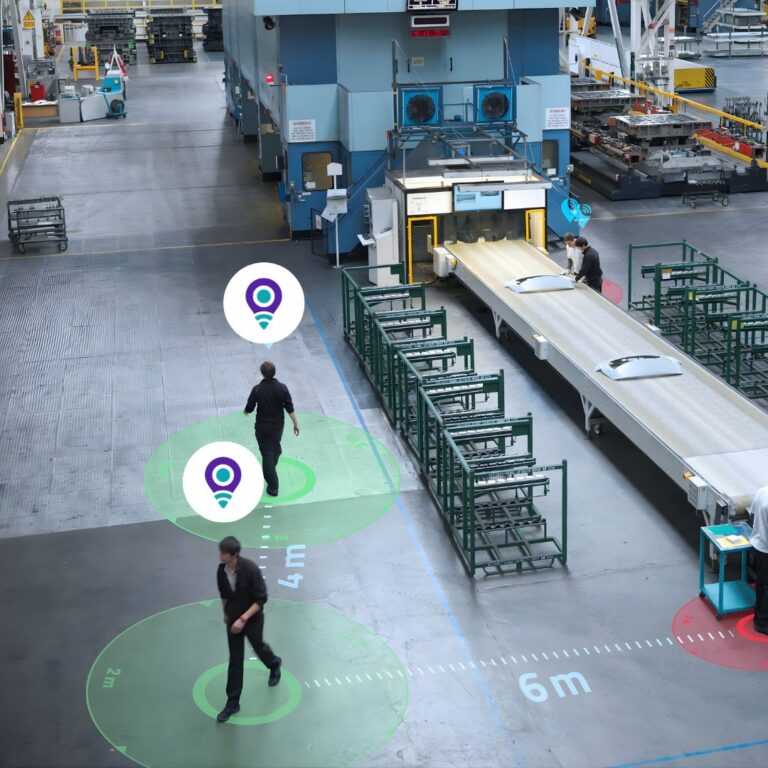
GSM-GPS Sensors (The Universal Pulse)
Off-Site Continuity: For workers who travel between sites or work on “lone-worker” assignments, we provide GSM-GPS wearable tags.
Seamless Transition: When the worker is on-site, the tag uses the local RFID network; the moment they leave the grounds, it switches to Satellite GPS and Cellular (GSM) to maintain a “heartbeat” on their safety. If a worker fails to move for a set period (Man-Down), the system sends an SOS with their exact coordinates on a global map.
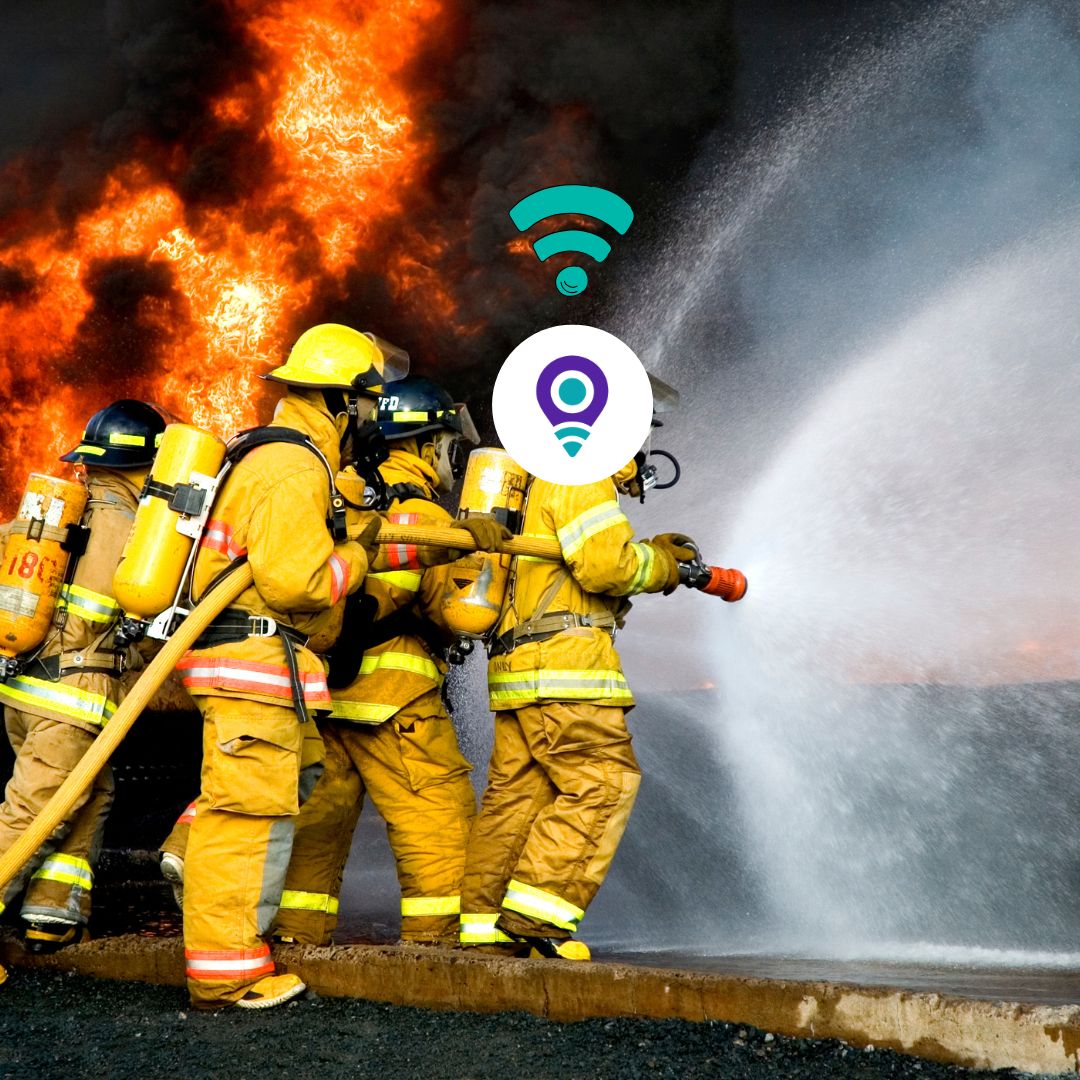

Real-time location & vitals monitoring in danger zones.
1st Responder & Safety Officer Tools
Tablet Mustering: Mobility Meets Critical Data
In a disaster, the “Muster Point” is rarely a static, perfect environment. It can be a windy parking lot, a dark assembly area, or a remote field.
The Digital Clipboard: Safety Officers use ruggedized, IP65-rated tablets that function both online and offline. As employees arrive, the tablet automatically detects their RFID tags within a 25–50 foot radius. There is no need for “swiping” or manual check-ins.
Instant Triage: The tablet displays a live “Personnel Mustering Status” dashboard. It color-codes personnel: Green for Safe, Red for Missing.
Dynamic Muster Points: If one assembly area becomes unsafe (e.g., due to shifting smoke or fire), the Safety Officer can move the muster point. The system’s mobile GPS will automatically update the software, rerouting other evacuees to the new, safe location.
Responder Tracking: Protecting the Rescuers
A major risk in industrial disasters is “rescuers becoming victims.” If a fire chief sends a team into a structural collapse, they must know exactly where those responders are at every second.
Rapid Field Registration: 1st Responders can be “hot-swapped” into the system. As outside fire crews arrive, they are handed temporary “Responder Tags” or have their existing gear scanned. They are instantly visible on the facility’s digital floor plan.
Hazard Zone Geo-Fencing: The Command Center can draw “Danger Zones” on the digital map. If a responder accidentally wanders into a high-radiation or high-heat area, an automated alert is sent to both the responder’s device and the Incident Commander.
“Man-Down” Detection: Many of our responder tags include accelerometers. If a rescuer remains motionless or falls abruptly, the system triggers a “Man-Down” SOS, providing their precise coordinates to a backup team for immediate extraction.
Risk Mitigation: The Financial & Legal Shield
Beyond the human cost, a botched emergency response can destroy a company’s reputation and financial stability. Personnel Tracking System acts as a comprehensive risk-management tool.
Liability Defense: In the event of an OSHA investigation or civil lawsuit, our system provides a tamper-proof digital audit trail. You can prove exactly when the alarm was triggered, how long the evacuation took, and that every reasonable effort was made to locate missing persons.
Avoiding “Blind Rescue” Costs: Sending fire crews to search an empty building costs thousands of dollars and risks lives unnecessarily. By providing a “Clear” status for specific zones, the system prevents wasted resources and reduces operational downtime.
PR & Brand Protection: Transparent, data-backed communication during a crisis prevents the spread of misinformation. Being able to tell the media and families, “We have accounted for 98% of our staff within 4 minutes,” builds immense trust and prevents the reputational fallout of a “chaotic” response.
Locating and Tracking Personnel, employees and workes during Disasters
Personnel Tracking System locates personnel real-time for emergency mustering, and for routine personnel tracking during normal business operations.
Personnel Tracking Hardware & Infrastructure
To maximize site-wide visibility and emergency readiness, IoTPersonnelTracker integrates specialized hardware components that bridge the gap between automated data and human intervention.
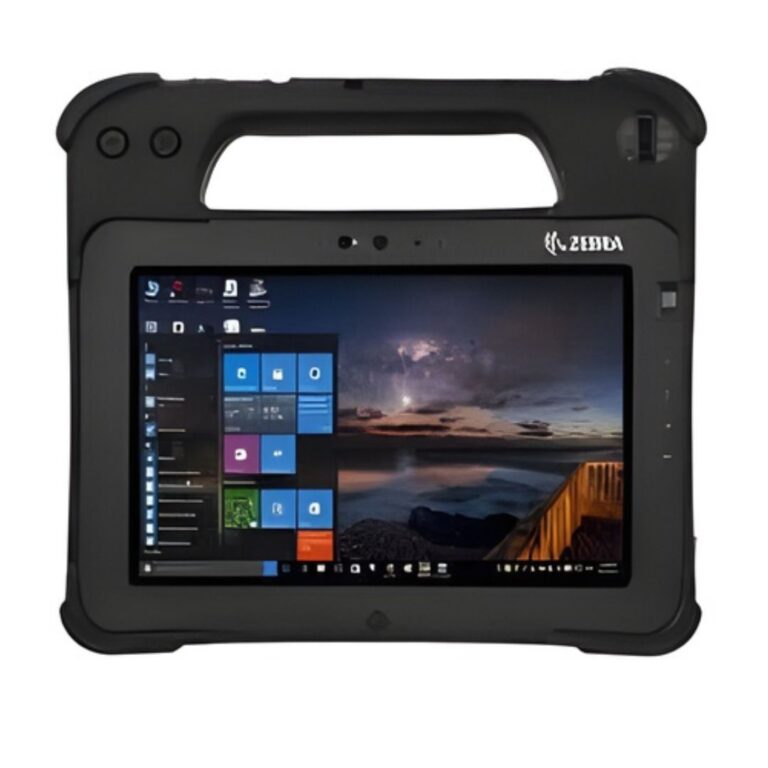
Muster Point Tablets
In an evacuation, supervisors use rugged Tablet PCs and Smartphones to maintain control at the assembly point.
Automated Roll Calls: These devices automatically detect RFID-tagged personnel within range, marking them as “Safe” without any manual input.
Manual Overrides: Supervisors can manually check in visitors or employees who may have lost their badges.
Barcode & QR Support: For facilities using mixed identification methods, the software supports scanning codes directly through the device camera.
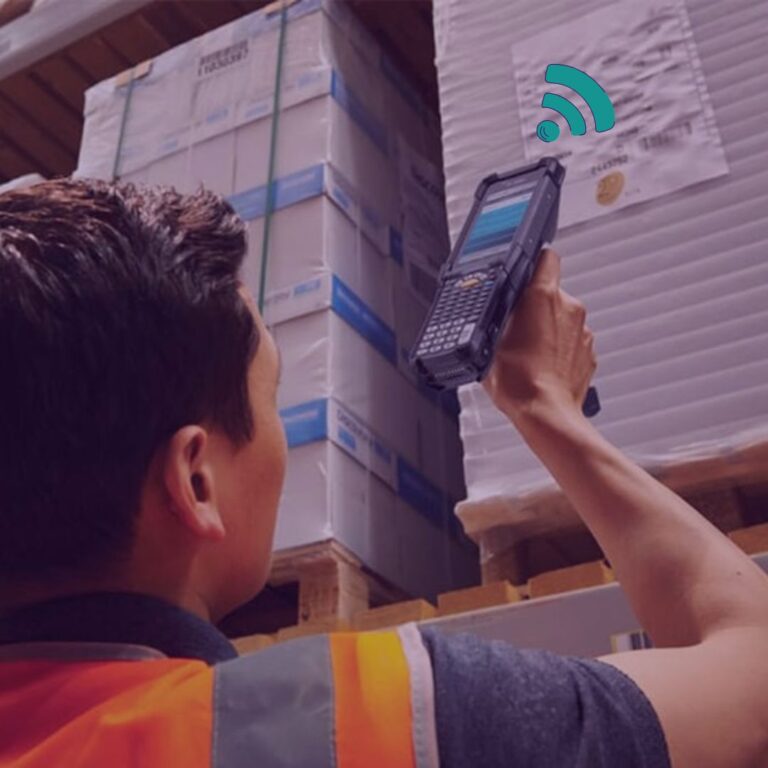
Portable RFID Scanners
The portable RFID scanner serves as a tactical “search” tool with a 20-foot transmission range.
Rapid Asset Recovery: Use the scanner to locate missing files or tagged equipment hidden inside cabinets or behind walls.
Audio-Visual Guidance: The device uses color-coded displays, rhythmic sound pulses, and numeric proximity indexes to guide you within inches of a specific tag.
Emergency Utility: In a post-disaster scenario, safety teams use these scanners to sweep rooms for missing badges or equipment.
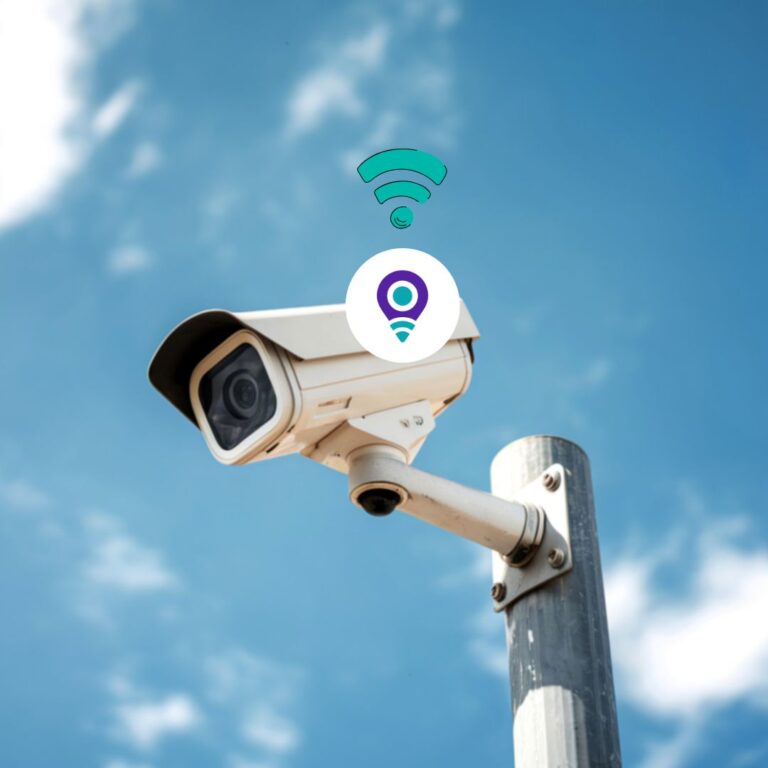
Video Surveillance
RFID technology is powerful, but disasters create “noisy” environments where signals might overlap or be delayed.
Visual Audit: Video footage acts as the primary “truth source” during high-traffic evacuations. If 50 people rush through a door at once, security can review the tape to cross-reference the digital muster list.
AI-Enhanced Safety: Modern cameras integrate with the software to identify smoke, heat anomalies, or bottlenecks in real-time.
Historical Reconstruction: Investigators use time-stamped footage alongside the RFID audit trail to reconstruct the movements of personnel and visitors following an incident.
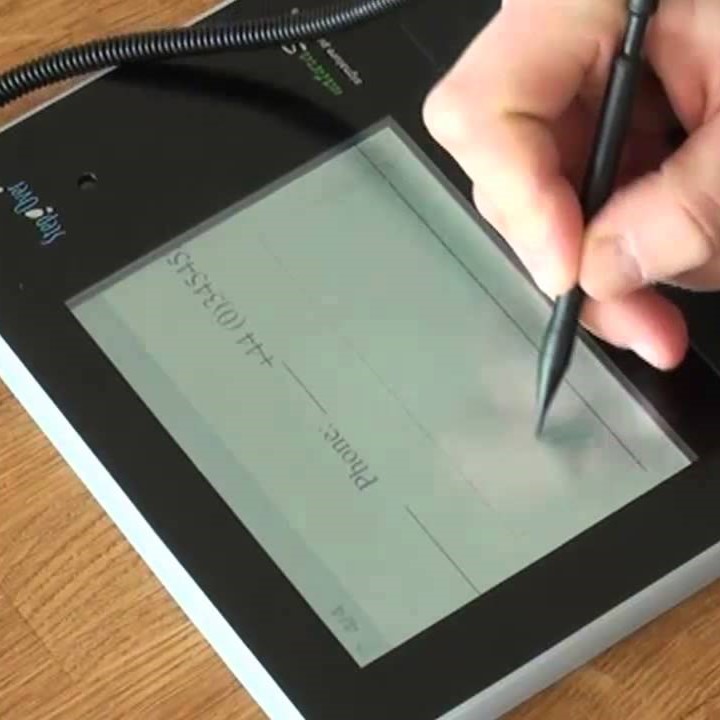
Advanced Identification & Documentation
Mount-on-Metal Tags: Standard RFID tags fail on metal surfaces due to signal interference. We use “raised” or “mount-on-metal” tags specially engineered with spacers to ensure reliable reads on machinery, pipes, and metal shipping containers.
Electronic Signature Pads: Management can capture handwritten digital signatures for visitor check-ins or safety compliance documents. The software stores these signatures directly in the personnel database for a legally binding audit trail.

People Identification
The system assigns a unique, encrypted ID to every person. This identity stays with them from the moment they enter the property until they clock out.
RFID ID Cards & Badges: These are the most common form of identification. Passive UHF (Ultra-High Frequency) inlays are embedded directly into standard photo ID badges. They require no batteries and have a lifespan of several years.
RFID Stickers: If your facility already uses older proximity cards (like 125kHz HID cards) for simple door access, you can apply a UHF RFID sticker to the back. This “upgrades” the existing badge to allow for long-range, real-time tracking without replacing your entire badge inventory.
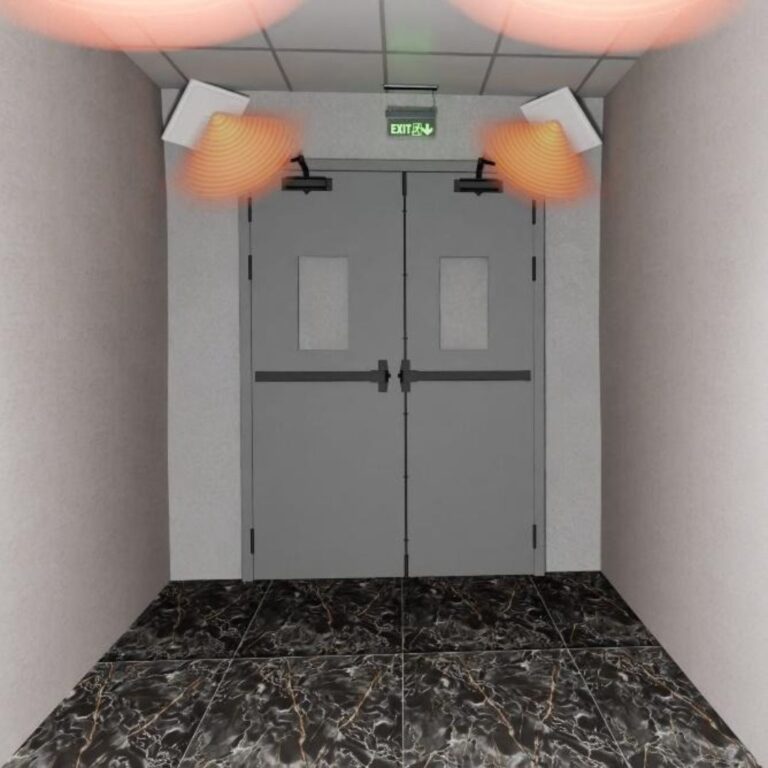
RFID Sensors
While the badges provide the “Who,” the sensors provide the “Where.” We place these sensors at critical transit points to create a continuous audit trail of movement.
Perimeter Access: Sensors at gates and turnstiles log the exact second a person enters or leaves the site, establishing the master “On-Site” list for emergency mustering.
Internal Choke Points: By placing sensors at doorways, elevator banks, and stairwell entrances, the system creates a “breadcrumb” trail. If a worker moves from the “Assembly Floor” to the “Break Room,” the system updates their location in real-time.
Hazardous Zones: Sensors at the entrances of “Red Zones” (e.g., high-voltage rooms or chemical storage) trigger instant alerts if an unauthorized ID badge is detected within 40 feet.
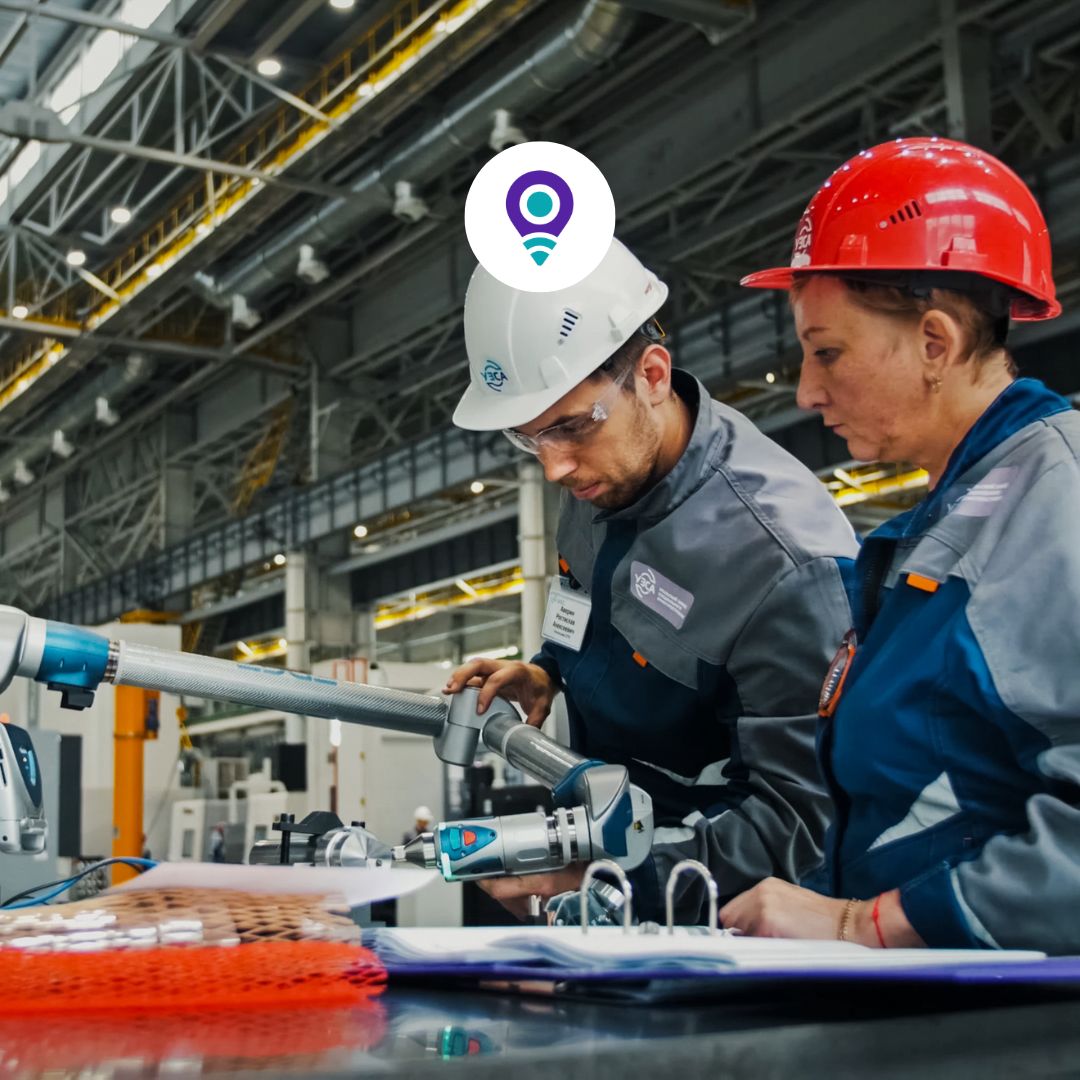
Optimized for Every Environment
Construction & Mining
Monitor entries/exits across vast, shifting landscapes. Detect unauthorized access to high-risk zones and ensure all workers are cleared before blasting or heavy machinery operations.
Healthcare
Improve response times by locating the nearest nurse or doctor instantly. Enhance patient safety by monitoring movement and preventing wandering in sensitive wards.
Manufacturing & Oil/Gas
In environments with chemical risks or heavy equipment, our system provides the “Digital Twin” of your workforce, ensuring safety compliance and rapid evacuation during leaks or fires.
Representatives Projects and Customers


Why IoTPersonnelTracker?
We provide a fully developed, rapidly configurable software suite that lives in the cloud or on your local server. Whether you are a small business or a global enterprise, our 24/7 support and scalable hardware ensure your personnel records are never missing, and your people are never lost.