Have you ever wondered how the world tackles the complex issue of illegal weapons crossing borders? In an increasingly interconnected world, the illegal movement of weapons is not just a localized problem – it is a global crisis that fuels violence, instability, and organized crime. Weapon management is undeniably critical for global security. To address this massive challenge, the United Nations has established a comprehensive framework. The Firearms Protocol serves as a crucial document at the centre of this framework.
In this detailed post, we will explore exactly what the United Nations has to say about weapon management, focusing on the rules, regulations, and cooperative efforts designed to keep illicit firearms off the streets.
What is the UN Firearms Trafficking Protocol?
When we talk about global weapon management, the primary text to understand is the Protocol against the Illicit Manufacturing of and Trafficking in Firearms, their Parts and Components and Ammunition. Often simply referred to as the Firearms Protocol, this document serves as a leading international agreement addressing these illicit activities.
What makes this protocol so special? It holds a unique position in international law. It is the only legally binding international instrument criminalizing these actions at the global level. By approaching the issue from a criminal justice perspective, the Firearms Protocol guides global efforts. The framework addresses the transnational nature of firearms trafficking and its links to organized crime. Countries receive support in controlling and regulating weapons and their movements. The protocol helps prevent diversion into illegal markets. It also strengthens investigations and prosecutes firearms traffickers.
The history of this vital instrument dates back over two decades. The General Assembly of the United Nations adopted the Protocol through resolution 55/255 on 31 May 2001 during its fifty-fifth session. It subsequently entered into force on 3 July 2005.
The Organized Crime Connection
To fully grasp the importance of the Firearms Protocol, we must look at where it sits within the broader UN legal framework. The Firearms Protocol does not exist in a vacuum. It is actually one of the three Protocols that supplement the United Nations Convention against Transnational Organized Crime (Organized Crime Convention).
While the Convention provides for basic measures to counter transnational organized crime, the three Protocols provide for specific measures to combat three specific crimes. The other two Protocols are The Protocol to Prevent, Suppress and Punish Trafficking in Persons, Especially Women and Children, and The Protocol against the Smuggling of Migrants by Land, Sea and Air. These Protocols are intended to be interpreted together with the Organized Crime Convention.
Key Commitments for Member States
Participation in the Firearms Protocol is broad and growing. At present, 126 countries have joined the Protocol. This represents a significant increase, as 84 countries were Parties to the Protocol at the beginning of the UNODC Global Firearms Programme, reflecting an increase of 42 countries during the implementation period. Furthermore, recent latest accessions include Somalia on 25 March 2025, South Sudan on 9 April 2025, and San Marino on 15 May 2025.
When a state decides to ratify this Protocol, they make a serious commitment to the international community. They commit to adopting and implementing measures to:
- Criminalize firearms trafficking in line with the Protocol’s requirements and definitions.
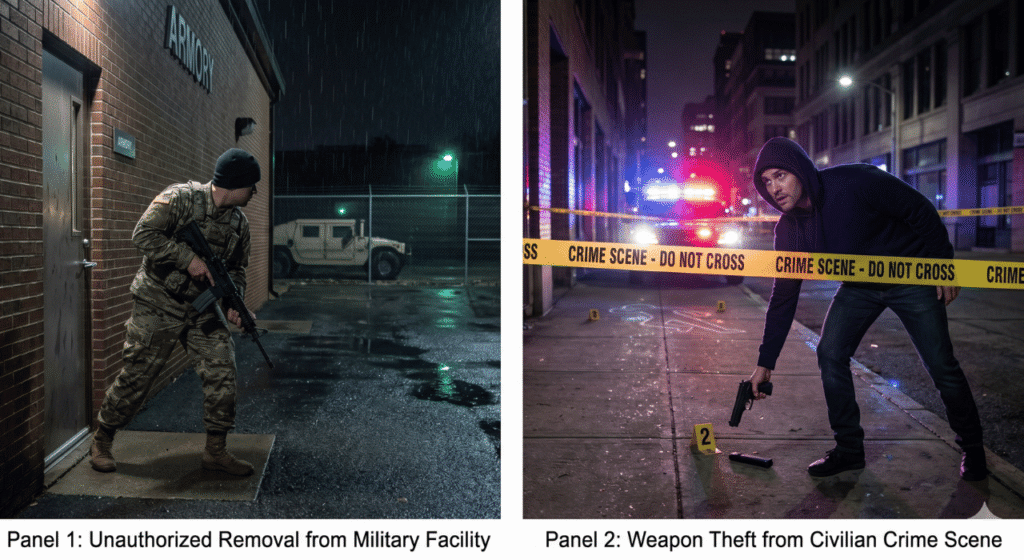
- Adopt effective control and security measures, including the disposal of firearms, to prevent their theft and diversion into the black market.
- Set up a system of government authorizations and licensing of weapons, for example, for manufacturing or transporting firearms.
- Ensure proper marking, recordkeeping and tracing of firearms, as well as effective international cooperation for this purpose.
Digging Deeper: Key Provisions of the Protocol
The commitments are further detailed through key provisions. Countries-parties to the Firearms Protocol undertake to adopt and implement the strongest possible legislation – Consistent with their national legal systems to prevent, investigate and prosecute offences related to illicit firearms.
To turn these goals into reality, the Protocol outlines specific actionable measures. Specific measures include:
- Confiscating, seizing and destroying illicitly manufactured or trafficked firearms.
- Keeping records on firearms for at least ten years to identify and trace them.
- Issuing licenses for the import and export of firearms and authorizing transits.
- Marking firearms to identify the manufacturer, the country and the year of import.
Beyond domestic management, countries also commit to cooperate extensively at the bilateral, regional and international levels, including by providing training and technical assistance to other states.
Finally, Parties to the Protocol undertake to exchange relevant case-specific information on authorized producers, dealers, importers, exporters and carriers of firearms. They also commit to sharing information on organized criminal groups involved in the illicit manufacture and trafficking of weapons.
How the UN Monitors and Assists Progress
Creating a set of rules is only half the battle; enforcing and supporting those rules is where true progress happens. This is where the Conference of the Parties (COP) to the Organized Crime Convention comes in. Article 32 of the Organized Crime Convention established a Conference of the Parties (COP) to improve countries’ capacity to combat transnational organized crime and to promote and review the implementation of the Convention and its Protocols. The COP meets every two years.
Pursuant to resolution 5/4 adopted at the COP’s fifth session, the COP established an open-ended intergovernmental Working Group on Firearms to provide specialized support and advise and assist the COP in implementing its mandate regarding the Firearms Protocol.
The Working Group plays a highly active role. The Working Group facilitates the implementation of the Protocol through the exchange of experience and practices among national and international experts. This important work includes:
- Identifying weaknesses, gaps and challenges in the fight against firearms trafficking.
- Identifying successful practices and priorities in the fight against firearms trafficking.
- Identifying relevant topics in the fight against firearms trafficking.
Additionally, the Working Group must also make recommendations to the COP on how countries can better implement the provisions of the Firearms Protocol, the activities the UN Secretariat should perform, and the development of technical assistance tools related to the Protocol’s implementation.
Implement weapon management with help of IoTWeaponTracker
Effective weapon management is no longer just an operational preference; it is an international security mandate. As outlined in the United Nations Firearms Protocol, preventing the illicit diversion, theft, and trafficking of firearms requires strict domestic controls, meticulous record-keeping, and proactive security measures.
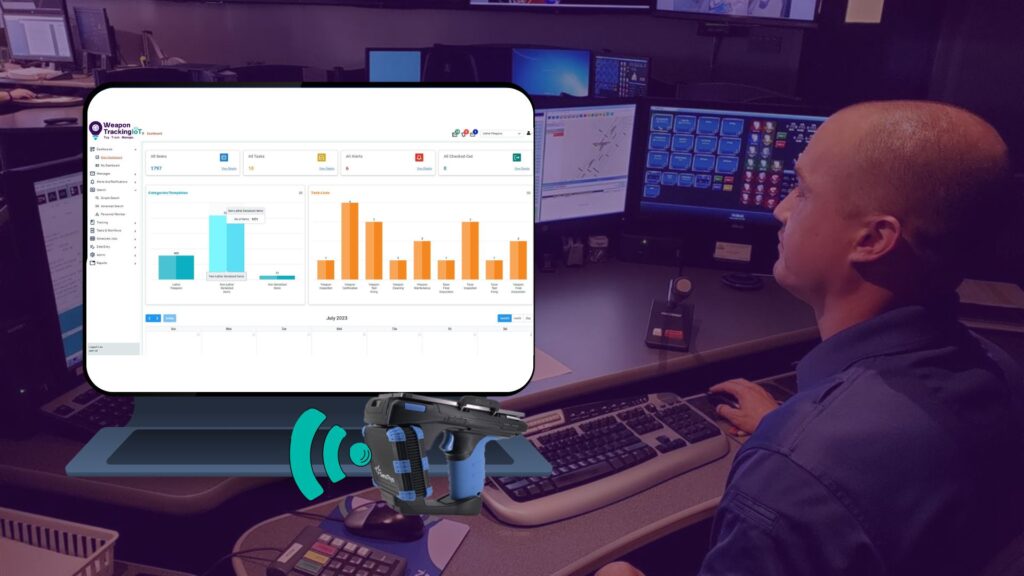
Our specialized weapon tracking system software platform, IoTWeaponTracker, is purpose-built to automate these rigorous compliance workflows, bridging the gap between high-level international directives and daily armory operations.
Weapon management and accountability best practices
The UN Firearms Protocol places a heavy emphasis on accountability, requiring Member States to maintain detailed records on firearms to ensure they can be tracked and traced effectively over their operational lifespan. Traditional logbooks and manual spreadsheets leave room for human error, data gaps, and physical tampering.
How IoTWeaponTracker Aligns:
- Automated Weapon Chain of custody logs: The software maintains a continuous, immutable digital audit trail of every weapon system from procurement to disposal.
- RFID and Hardware Integration: The system leverages automated tracking technologies to instantly log who checked out a specific weapon, when they issued it, and when they returned it, eliminating gaps in custody history.
- Long-Term Data Integrity: The platform architecture ensures that historical issuance records are securely stored and easily retrievable for compliance audits or official tracing requests.
Preventing Theft and Black-Market Diversion
A primary goal of the United Nations framework is to compel nations to adopt effective control and security measures to prevent firearms from being stolen or diverted into unauthorized hands. Armories must ensure that only personnel with active, valid certifications can access specific weapon types.
How IoTWeaponTracker Aligns:
- Real-Time Certification Validation: Before any weapon is cleared for release at an issue/return window, the software automatically cross-references the operator’s identity. It checks their active training and qualification profiles. If a certification is expired or invalid for that specific weapon class, the system flags the issue and blocks deployment.
- Post-Deployment Reconciliation: The software aligns officer-assigned gear directly against their specific post requirements, unit, and shift parameters. It immediately flags missing required items or unauthorized equipment, ensuring strict adherence to deployment protocols and preventing inventory shrinkage.
Standards for Specialized Operations
UN working groups and international frameworks emphasize that high-risk or specialized units require tighter operational oversight. They also require strictly regulated gear allocations.
How IoTWeaponTracker Aligns:
- Application based configuration: IoTWeaponTracker allows system administrators to differentiate post requirements dynamically by unit, shift, and assignment type. The system configures gear profiles for standard patrol, tactical units, or specialized teams. It ensures personnel receive exactly what their mandate allows – no more, no less.
By automating compliance, verifying qualifications at the point of issuance, and maintaining tight inventory control through IoT tracking, IoTWeaponTracker transforms the United Nations high-level security objectives into an airtight, day-to-day operational reality.